

09/02/2026
Insights
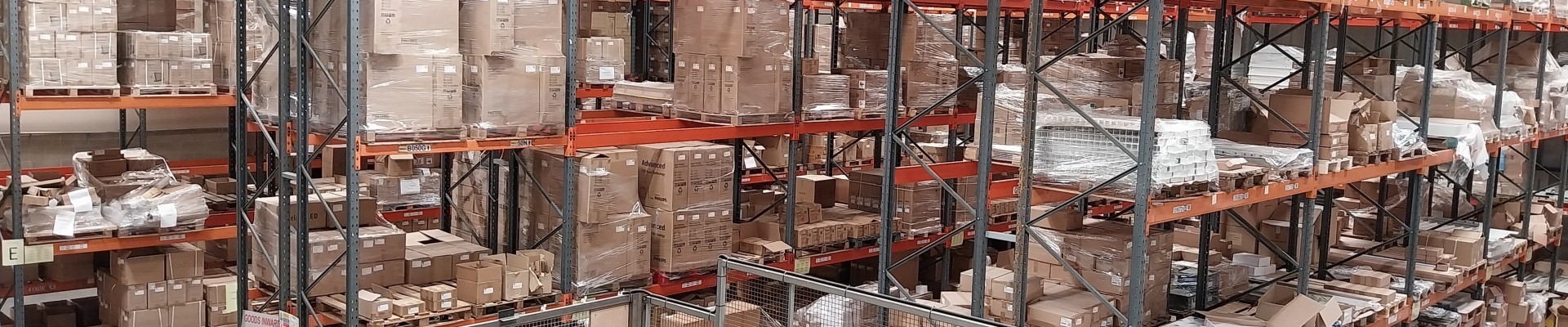
Having surplus stock to shift is a common problem in business. Over-ordering, seasonal changes in demand, evolving customer behaviour and cash flow challenges can all leave you with the requirement to sell excess stock, fast.
Fortunately, there are several ways to turn the inventory you no longer need into beautiful, liquid cash. In turn, you will reduce your holding costs, free up storage space and act before the surplus items become outdated or obsolete.
Here, we break down the most effective surplus stock clearance strategies and show you which excess stock buyers to target to turn unwanted inventory into real returns.
Why is excess stock a problem?
Excess stock, or overstock, refers to products that have reached the end of their natural lifecycle. That might include winter coats lingering as spring arrives, promotional items left over after a campaign ends or technology that’s pushed aside by the latest models.
Holding stock that your customers no longer want can harm your business in several key ways:
-
Cash flow problems - Having money tied up in unsold inventory can make it more difficult to pay your bills, invest in new products and operate effectively.
-
Higher costs - Holding surplus stock can increase storage and insurance costs, and bring costs associated with transporting and disposing of it. You should also consider the environmental harm disposing of it can cause.
-
Opportunity cost - Excess stock can also stifle growth by locking up cash and storage space that could be put to far better use.
-
Potential losses - Every product has a shelf life. Once excess stock becomes outdated or spoils, it may be impossible to sell. At that point, you won’t be able to cover your costs, let alone make a profit.
Who buys surplus stock?
So, for one reason or another, you have too much stock. The good news is that there are specialist excess stock buyers who specialise in buying surplus, bankrupt stock (stock from companies that are going out of business), end-of-line items and returned goods from businesses.
There are also other prospective buyers, including competitors, online resellers and discount retailers, who may be interested in buying the stock quickly and in bulk.
How can I sell excess stock?
Here are a few surplus stock clearance strategies that can help you turn your headache into working capital.
Sell it at auction
One of the fastest and simplest ways to sell your excess stock is to put it up for auction. There are specialist surplus stock auctions that handle the whole process for you. They will:
-
Value and itemise your stock - They’ll send a professional valuation surveyor to your site to itemise, assess the condition and value your excess stock. They will also take high-quality photographs for the listings.
-
Create the listings and market the lots - The auction team will create detailed listings that include images, key details and specifications. They will then market the lots to their existing buyer networks and to new buyers, both in print and online.
-
Host the auction - Most excess stock auctions are held online. That gives you access to a broader pool of buyers and increases bidding competition, which can boost the price. Buyers can register and place bids when the auction begins. Most online surplus stock auctions last 48 hours.
-
Quick cash transfers and reserve prices - The beauty of an auction is that you can set a reserve price for each lot at a level that allows you to breakeven or make a profit. If the reserve is not met, the lot will not sell. If a successful bid is made, you’ll usually receive full payment a few days after the auction closes, and the winning bidder will be responsible for transporting or collecting the stock.
Approach clearance and wholesale buyers
Specialist clearance and wholesale buyers purchase goods in large volumes before reselling them for profit. These buyers can be major retailers or smaller independent businesses.
This business model relies on the retailer buying the goods at a discount, so you’re likely to receive significantly less per unit than if you had sold the stock yourself. However, it can be a fast and effective way to reduce your costs and free up cash flow.
Sell through online marketplaces
You may not want or be able to sell excess stock through your business’s website or store, but there may be other platforms that provide a better fit. Popular online marketplaces, such as Amazon, eBay, Vinted and other industry-specific channels, can give you access to a large pool of buyers that you wouldn’t usually reach.
Although this can be an effective way to find buyers, fees will apply and you must respond to any queries, handle and pay for delivery, and manage returns yourself. You may also need to reduce your prices to compete with other sellers.
Set up a clearance section or discount store
Another tried-and-tested strategy is to create a clearance section on your website or in your physical store to sell surplus stock without it affecting your main product offerings or pricing model.
That will help you avoid the fees associated with selling on third-party marketplaces or at auction. However, you will need time, marketing effort and storage space. Heavily discounted pricing will also reduce your margins and may affect customer perceptions if it’s not managed carefully.
Export to new markets
Selling the products in a new market can also be an effective approach. Surplus stock that doesn’t sell so well in one country may perform better where different seasonal cycles or demand patterns are at play.
If you have high levels of surplus stock, you should avoid direct-to-consumer exports, which usually involve considerable costs and effort. Instead, finding a local distributor or wholesaler that already exports to secondary markets is likely to be the sweet spot. They will have the infrastructure, expertise and established buyer networks to move your surplus stock efficiently.
However, selling surplus stock into secondary or overseas markets often prioritises recovery and clearance over margin, particularly when freight, duties and local pricing expectations are factored in.
Do you have excess stock to sell?
Your excess inventory doesn’t have to be a write-off. At Eddisons Assets, we hold dedicated surplus stock auctions to help you recover value and free up space without disrupting your core business. Find out how to sell your assets with our team and get in touch to discuss your inventory and arrange an asset valuation.
Get in touch with the BTG Eddisons Asset Sales team
Please fill in the fields below to complete your enquiry. A member of our team will then be in touch to discuss your requirements in more detail.